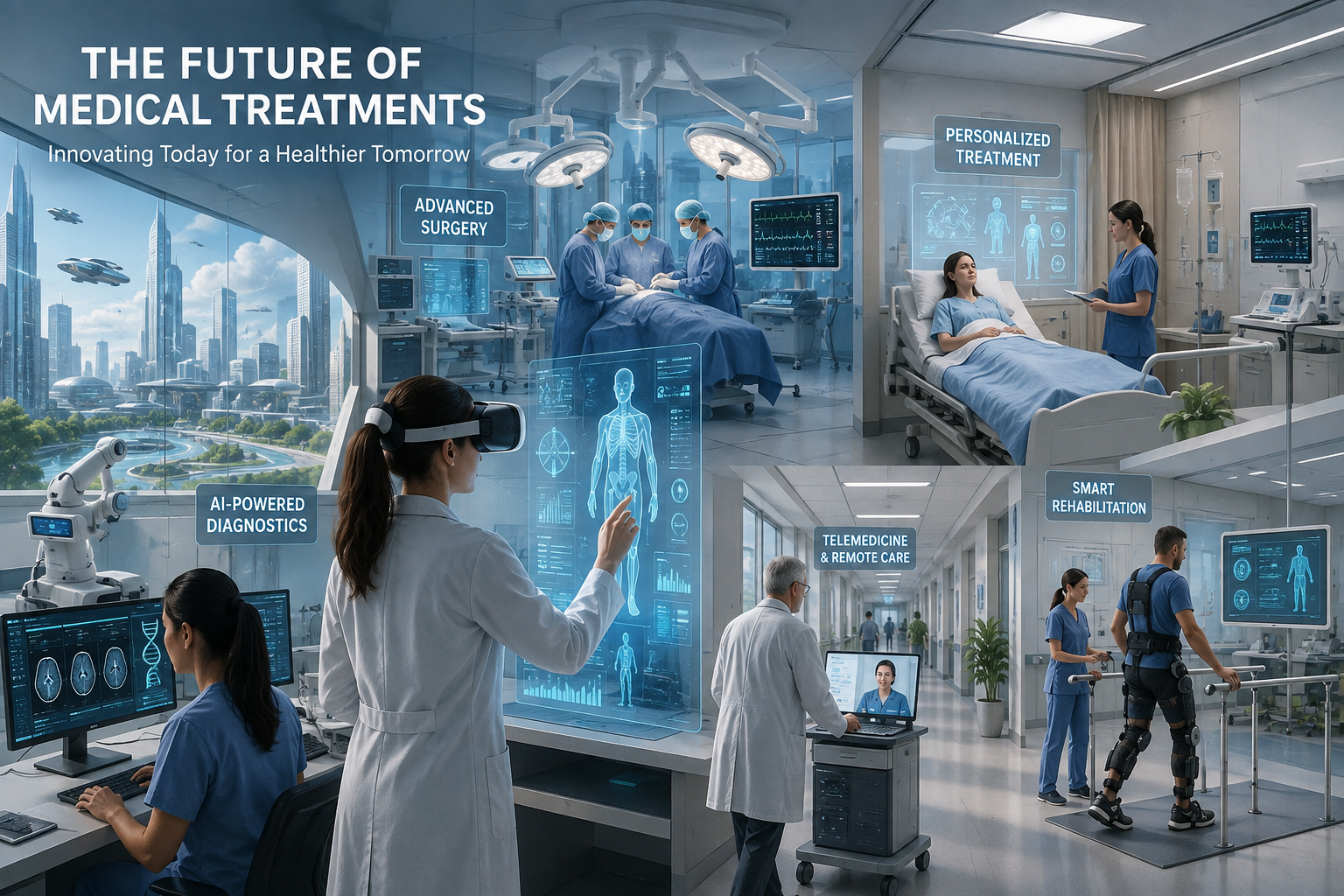
Hospitals play an essential role in healthcare systems around the world. They provide services ranging from routine diagnosis and outpatient consultations to emergency care, surgery, specialized treatment, and rehabilitation. Although the services available can differ between countries and individual hospitals, modern healthcare facilities generally bring together medical professionals, diagnostic technology, medicines, and supportive services to address a wide variety of health needs.
Diagnostic and Evaluation Services
Accurate diagnosis is an important starting point for many medical treatments. Hospitals commonly provide laboratory testing, medical imaging, physical examinations, and specialist consultations to help healthcare professionals understand a patient’s condition.
Diagnostic services may include blood and urine testing, X-rays, ultrasound, CT scans, MRI examinations, and other specialized investigations. The appropriate test depends on a patient’s symptoms, medical history, and clinical assessment.
Reliable diagnostic services can help doctors determine whether further monitoring, medication, procedures, or specialist treatment may be appropriate.
Emergency Medical Care
Emergency departments provide care for patients with sudden or potentially serious health problems. These services may address severe injuries, acute illnesses, breathing difficulties, serious infections, complications during pregnancy, and other urgent conditions.
Emergency healthcare often involves rapid assessment, stabilization, diagnostic testing, medication, and procedures when necessary. Hospitals may also transfer patients to specialized facilities when particular equipment or expertise is required.
Surgical Treatments
Surgery is another major service offered by many hospitals. Surgical care can include general procedures as well as specialized operations involving areas such as orthopedics, cardiovascular medicine, neurosurgery, obstetrics, and other specialties.
Some hospitals also use minimally invasive techniques and advanced surgical technologies when clinically appropriate. Before an operation, medical teams normally evaluate the patient’s health and discuss the procedure, potential risks, expected recovery, and available alternatives.
The availability of specialized surgery depends on the hospital’s facilities, medical workforce, technology, and level of care.
Treatment for Chronic Diseases
Hospitals and specialist clinics also help patients manage chronic conditions that require continuing medical attention. Depending on the condition, treatment may involve medication, monitoring, lifestyle guidance, diagnostic testing, specialist consultations, or procedures.
Conditions such as cardiovascular disease, diabetes, respiratory disorders, neurological conditions, and other long-term illnesses may require coordinated care between hospitals, primary-care providers, and other healthcare professionals.
Regular follow-up can help medical teams evaluate treatment progress and make adjustments when appropriate.
Cancer Diagnosis and Treatment
Cancer care is an important area of specialized hospital medicine. Depending on the cancer type and individual circumstances, treatment may include surgery, chemotherapy, radiation therapy, immunotherapy, targeted treatments, or combinations of different approaches.
Cancer services may also include imaging, pathology, specialist consultations, pain management, nutritional support, and follow-up care. Treatment plans are generally developed according to the patient’s diagnosis and clinical needs rather than using one approach for everyone.
Maternal and Child Healthcare
Many hospitals provide specialized services for pregnancy, childbirth, newborn care, and children’s health. Maternity departments may provide prenatal assessment, delivery services, emergency obstetric care, and postnatal support.
Pediatric departments can provide medical assessment and treatment for infants, children, and adolescents. Larger hospitals may also have specialized neonatal and pediatric units for patients who require more advanced monitoring or treatment.
Rehabilitation and Recovery
Treatment does not always end when a patient leaves the hospital. Rehabilitation can be an important part of recovery following surgery, injury, stroke, illness, or other conditions that affect physical or everyday functioning.
Rehabilitation services can involve physiotherapy, occupational therapy, speech and language therapy, assistive technology, and other forms of professional support. The World Health Organization notes that rehabilitation aims to improve functioning and help people remain as independent as possible.
Mental Health and Supportive Care
Healthcare systems may also provide mental health services through hospitals and specialized facilities. These services can include psychiatric assessment, psychological support, medication management, crisis care, and continuing treatment.
Some hospitals additionally provide palliative and supportive care for people living with serious or advanced illnesses. The objective may include managing symptoms, supporting comfort, and helping patients and families make informed care decisions.
Differences Between Countries
Hospital services vary significantly worldwide. Differences can involve healthcare funding, availability of specialists, medical technology, staffing, infrastructure, insurance coverage, and access to advanced treatments.
Some hospitals focus primarily on general medical and surgical services, while major referral or tertiary hospitals may provide highly specialized procedures and intensive care. International healthcare systems may also organize services differently depending on national policies and local healthcare needs.
Choosing Medical Treatment
Patients considering treatment should speak with appropriately qualified healthcare professionals about their diagnosis and available options. Important considerations can include the hospital’s medical specialties, qualifications of healthcare professionals, diagnostic facilities, treatment availability, expected recovery, and follow-up arrangements.
For complex medical decisions, a second professional opinion may sometimes provide additional information. Patients should also provide healthcare professionals with accurate information about their medical history, allergies, medications, and previous treatments.
Conclusion
Hospitals worldwide offer a broad range of healthcare services, including diagnosis, emergency treatment, surgery, chronic disease management, cancer care, maternity services, mental healthcare, and rehabilitation. The exact treatments available depend on the hospital, healthcare system, medical workforce, and resources in each location.
Understanding these different services can help people communicate more effectively with healthcare professionals and make informed decisions about seeking appropriate medical care. Medical treatment should always be based on individual clinical circumstances and guidance from qualified healthcare providers.